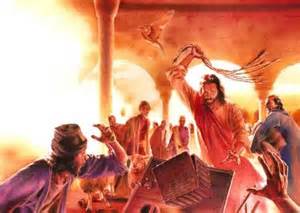
 The Passover of the Jews was near, and Jesus went up to Jerusalem. In the temple he found people selling cattle, sheep, and doves, and the money changers seated at their tables. Making a whip of cords, he drove all of them out of the temple, both the sheep and the cattle. He also poured out the coins of the money changers and overturned their tables.He told those who were selling the doves, “Take these things out of here! Stop making my Father’s house a marketplace!” His disciples remembered that it was written, “Zeal for your house will consume me.” The Jews then said to him, “What sign can you show us for doing this?” Jesus answered them, “Destroy this temple, and in three days I will raise it up.” The Jews then said, “This temple has been under construction for forty-six years, and will you raise it up in three days?” But he was speaking of the temple of his body. After he was raised from the dead, his disciples remembered that he had said this; and they believed the scripture and the word that Jesus had spoken. When he was in Jerusalem during the Passover festival, many believed in his name because they saw the signs that he was doing. But Jesus on his part would not entrust himself to them, because he knew all people and needed no one to testify about anyone; for he himself knew what was in everyone. (John 2:13-25, NRSV)
Always remember when someone says, “What would Jesus do?” that fashioning a whip and going to town on people would not be out of the question!
We always want to think of Jesus a meek and mild and welcoming the sinner and the stranger and this He was, but when the rubber met the road, He would also get down to business.
I find it interesting that the reading says that many believed in Him because of the signs He was doing. Does this include the whipping?
Is this image of a crazed man, driving animals and people from the temple and throwing money instill you with belief?
It is intermixed in our reading with commentary of the disciples and the temple destroyed being His body. But people believed because of His actions. So what were they looking for?
What are we looking for in a Messiah?
What are we looking for in a savior?
Meek and Mild, or whip-bearing, temple cleaning?
 May the glory of the
  These all look to you to give them their food in due season; when you give to them, they gather it up; when you open your hand, they are filled with good things. When you hide your face, they are dismayed; when you take away their breath, they die and return to their dust. When you send forth your spirit, they are created; and you renew the face of the ground. (Psalm 104:27-30, NRSV)
 You make springs gush forth in the valleys; they flow between the hills, giving drink to every wild animal; the wild asses quench their thirst. By the streams the birds of the air have their habitation; they sing among the branches. From your lofty abode you water the mountains; the earth is satisfied with the fruit of your work. You cause the grass to grow for the cattle, and plants for people to use, to bring forth food from the earth, and wine to gladden the human heart, oil to make the face shine, and bread to strengthen the human heart. The trees of the
 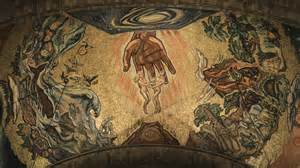 Bless the
  After this he went down to Capernaum with his mother, his brothers, and his disciples; and they remained there a few days. (John 2:12, NRSV)
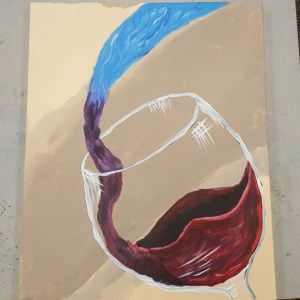 On the third day there was a wedding in Cana of Galilee, and the mother of Jesus was there. Jesus and his disciples had also been invited to the wedding. When the wine gave out, the mother of Jesus said to him, “They have no wine.” And Jesus said to her, “Woman, what concern is that to you and to me? My hour has not yet come.” His mother said to the servants, “Do whatever he tells you.” Now standing there were six stone water jars for the Jewish rites of purification, each holding twenty or thirty gallons. Jesus said to them, “Fill the jars with water.” And they filled them up to the brim. He said to them, “Now draw some out, and take it to the chief steward.” So they took it. When the steward tasted the water that had become wine, and did not know where it came from (though the servants who had drawn the water knew), the steward called the bridegroom and said to him, “Everyone serves the good wine first, and then the inferior wine after the guests have become drunk. But you have kept the good wine until now.” Jesus did this, the first of his signs, in Cana of Galilee, and revealed his glory; and his disciples believed in him. (John 2:1-11, NRSV)
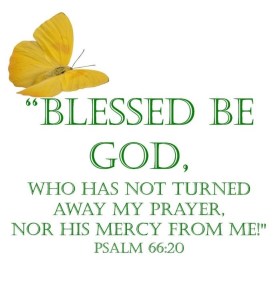 Blessed be God, because he has not rejected my prayer or removed his steadfast love from me. (Psalm 66:20, NRSV)
 Come and hear, all you who fear God, and I will tell what he has done for me. I cried aloud to him, and he was extolled with my tongue. If I had cherished iniquity in my heart, the Lord would not have listened. But truly God has listened; he has given heed to the words of my prayer. (Psalm 66:16-19, NRSV)
 aSacredRebel