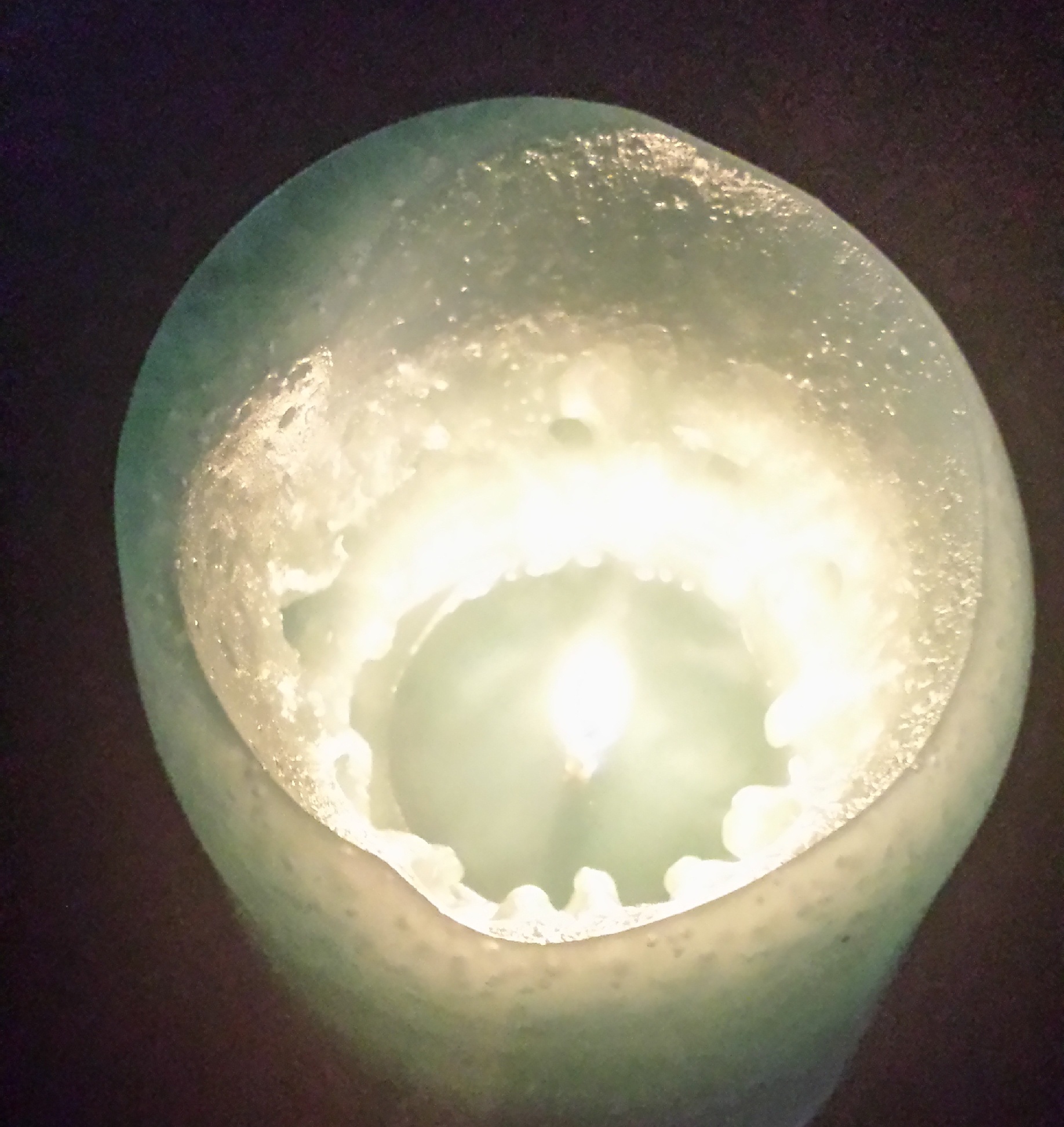
Focus
What is your focus this season of Advent?
Are you looking at your calendar wondering how you will make all the events you and your family have fit into the amount of days we have?
Are you looking at your bank account wondering if you can squeeze all the money you need out to get everything everybody wants?
Are you worried about keeping up with the Jones, or the Smiths, or the _______(insert name of your neighbor here)?
Remember what this season of Advent is, and why we celebrate it. It is about waiting and expecting. Not about waiting on the perfect gift and expecting to get everything we want. It is about waiting for and expecting a savior.
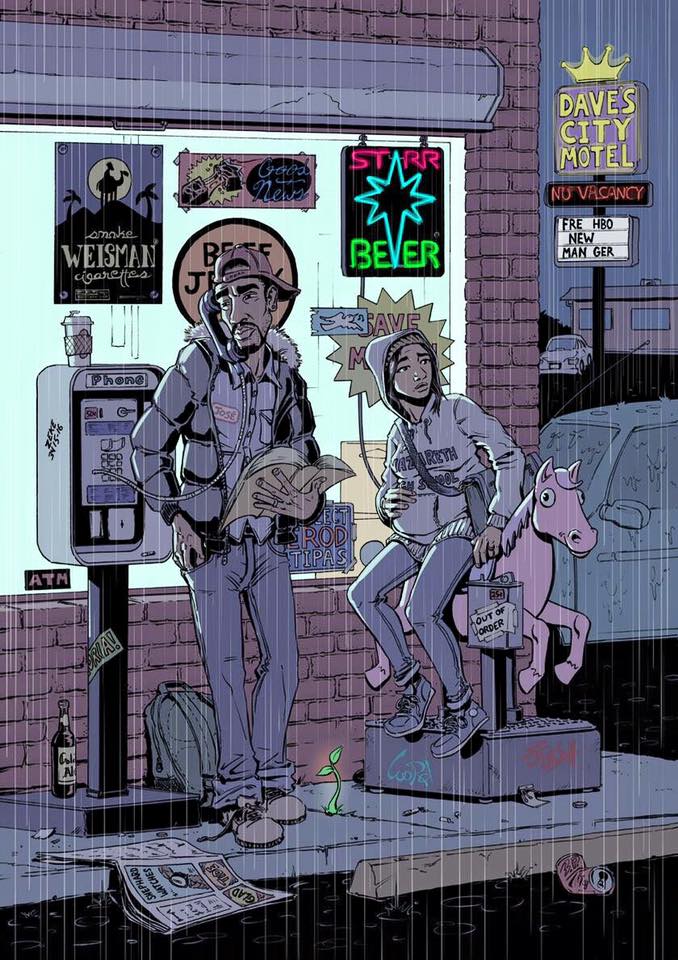 Look at this picture and really see what it says. Pay super close attention to the details and what it is portraying.
Remember to focus on the coming of Jesus, as we await his birth, and still await His returning. Pay attention to Him and what He is leading us to do
Near
 Multitudes, multitudes,
in the valley of decision!
For the day of the LORD is near
in the valley of decision.
The sun and the moon are darkened,
and the stars withdraw their shining.
The LORD roars from Zion,
and utters his voice from Jerusalem,
and the heavens and the earth shake.
But the LORD is a refuge for his people,
a stronghold for the people of Israel.
So you shall know that I, the LORD your God,
dwell in Zion, my holy mountain.
And Jerusalem shall be holy,
and strangers shall never again pass through it.
In that day
the mountains shall drip sweet wine,
the hills shall flow with milk,
and all the stream beds of Judah
shall flow with water;
a fountain shall come forth from the house of the LORD
and water the Wadi Shittim.
(Joel 3:14-18, NRSV)
The day of the Lord is near!
And for those of us who know the Lord this is a good thing. For the Lord is our refuge. He is our shelter in the storm. He is our holy habitation!
The mountains will drip wine on that day, and the hills will flow with milk.
God will provide for those who take shelter under His wings.
The dry places will flow with water as a fountain from the throne of the Lord and He will provide for His people.
Near is the day of the Lord, wait for Him and take shelter in His wings!
#awakeningadvent Chosen Highlight

Chosen

Day one highlight collage #awakeningadvent
Ancient One
 As I watched in the night visions,
I saw one like a human being
coming with the clouds of heaven.
And he came to the Ancient One
and was presented before him.
To him was given dominion
and glory and kingship,
that all peoples, nations, and languages
should serve him.
His dominion is an everlasting dominion
that shall not pass away,
and his kingship is one
that shall never be destroyed.
(Daniel 7:13-14, NRSV)
To the one who is coming was given dominion and glory and kingship.
Everyone will serve Him.
He is the Ancient of Days and is our only Hope.
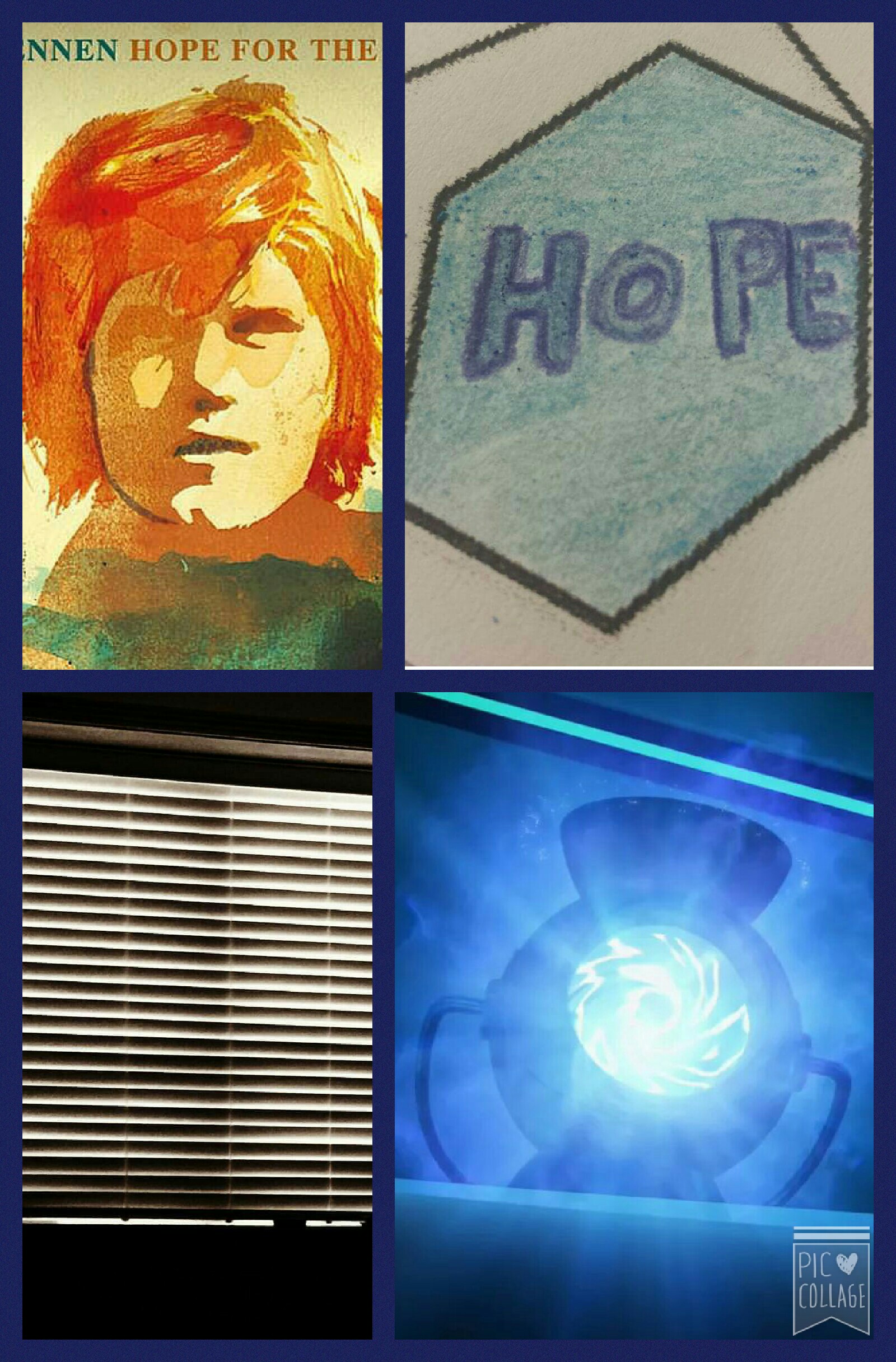
Unlike Obi-Wan Kenobi, Jesus is the hope we can rest in. He is coming and we can trust He will arrive.
So watch for He is coming and His reign will never be destroyed.
Advent Picture a Day Hope
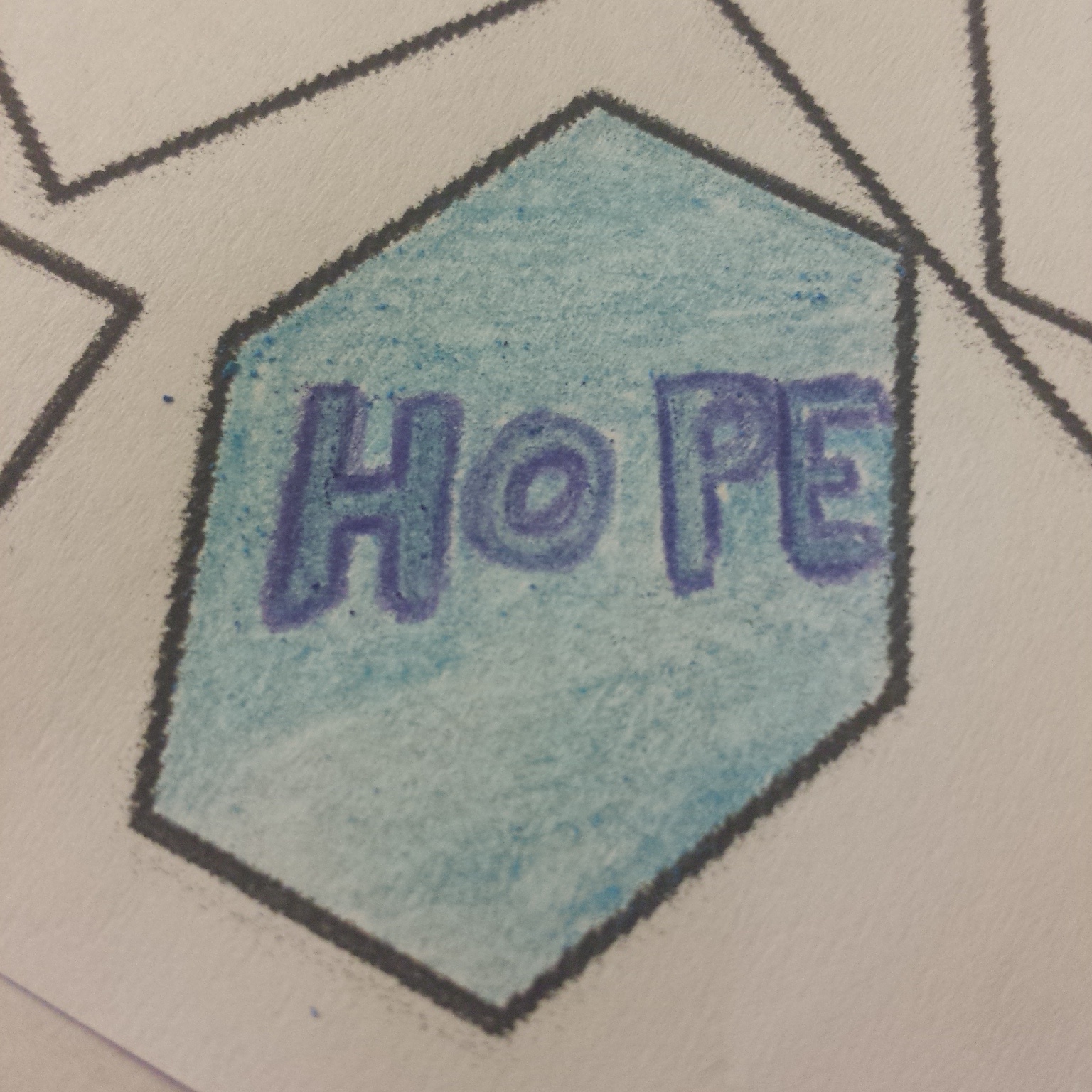
A New Hope
 “There will be signs in the sun, the moon, and the stars, and on the earth distress among nations confused by the roaring of the sea and the waves. People will faint from fear and foreboding of what is coming upon the world, for the powers of the heavens will be shaken. Then they will see ‘the Son of Man coming in a cloud’ with power and great glory. Now when these things begin to take place, stand up and raise your heads, because your redemption is drawing near.” Then he told them a parable: “Look at the fig tree and all the trees; as soon as they sprout leaves you can see for yourselves and know that summer is already near. So also, when you see these things taking place, you know that the kingdom of God is near. Truly I tell you, this generation will not pass away until all things have taken place. Heaven and earth will pass away, but my words will not pass away. “Be on guard so that your hearts are not weighed down with dissipation and drunkenness and the worries of this life, and that day catch you unexpectedly, like a trap. For it will come upon all who live on the face of the whole earth. Be alert at all times, praying that you may have the strength to escape all these things that will take place, and to stand before the Son of Man.” (Luke 21:25-36, NRSV)
Sometimes nowadays it is hard to find hope in life.
We seem to want to find the hope that fits our time and our lives and our circumstances.
We think we know what we need and what we are waiting for.
But Hope has always been there, and will always be there.
Just when we think it won’t come, like the sprouting of the bud on the fig tree, it is there.
Like a Messiah, we wait for, that we don’t expect to come as a baby in a manger, but He does.
So don’t lose hope, because it has never left us nor forsaken us!
Sing praises
 Clap your hands, all you peoples;
shout to God with loud songs of joy.
For the LORD, the Most High, is awesome,
a great king over all the earth.
He subdued peoples under us,
and nations under our feet.
He chose our heritage for us,
the pride of Jacob whom he loves.
God has gone up with a shout,
the LORD with the sound of a trumpet.
Sing praises to God, sing praises;
sing praises to our King, sing praises.
For God is the king of all the earth;
sing praises with a psalm.
God is king over the nations;
God sits on his holy throne.
The princes of the peoples gather
as the people of the God of Abraham.
For the shields of the earth belong to God;
he is highly exalted.
(Psalm 47, NRSV)
Sing praises to God who is our King!
He is king over all the earth. So we should, therefore, praise Him and exalt His name.
So sing praises to our King!
And in the words of a former pastor of mine, “If you sing good sing loud because God likes a joyful singer. And if you don’t sing well sing even louder to annoy the person next to you because God said to make a joyful noise!”

