 Jesus replied, “You do not understand17 what I am doing now, but you will understand after these things.” Peter said to him, “You will never wash my feet!” Jesus replied, “If I do not wash you, you have no share with me.” ~ John 13:7-8
I have this picture hanging on the bulletin board in my office. It is a postcard I received at my call in Texas from the publishing house of the ELCA promoting a new resource. But it speaks volumes that we sometimes forget. Change isn’t something we only get from a vending machine. Meaning many things. Change isn’t something that happens always when we want it. Imagine if we would know everything that was going to happen and could make a choice between options. I used to love reading books that allowed you to do this. If you want Sally to go for a bike ride turn to page 45, if she stays home and does homework turn to page 14. But this isn’t the way life works. Change sometimes comes at us when we least expect it and can seem to not always be good. But really it is how we accept it and move with it that makes how it really affects us and the world around us.
As I said in my sermon on February 25 Jesus said this to Peter the night He washed the disciples’ feet, and Peter wanted nothing to do with it because that isn’t the way it is done. That is against what society says should happen and this isn’t the way we have always done it. Jesus told Peter, “You don’t understand…” This is a new way to think about things and the way that society wants or the way we have always done it is not necessarily the way we are always going to do it.
You see change isn’t good or bad. It is different than what we have known. And different can help us grow. Grow as disciples, grow as beacons of His love in a world that needs to see Him. So don’t let change be anything other than what it is, a growing edge for all of us. And know that when Jesus washes your feet you are clean and set as a messenger of His love to the world.
Be the change the world needs to see
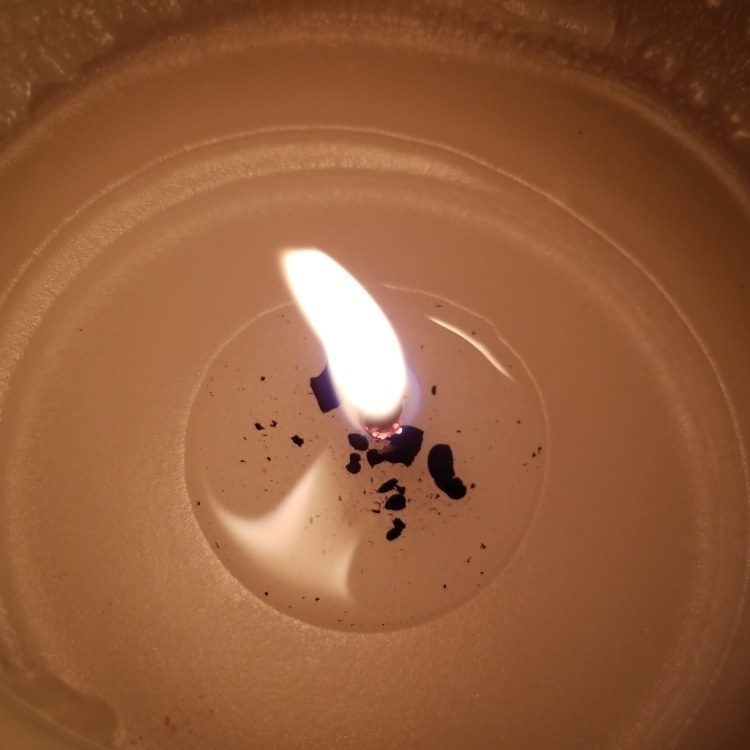
 Again he said to them, “I am going away, and you will search for me, but you will die in your sin. Where I am going, you cannot come.” Then the Jews said, “Is he going to kill himself? Is that what he means by saying, ‘Where I am going, you cannot come’?” He said to them, “You are from below, I am from above; you are of this world, I am not of this world. I told you that you would die in your sins, for you will die in your sins unless you believe that I am he.” They said to him, “Who are you?” Jesus said to them, “Why do I speak to you at all? I have much to say about you and much to condemn; but the one who sent me is true, and I declare to the world what I have heard from him.” They did not understand that he was speaking to them about the Father. So Jesus said, “When you have lifted up the Son of Man, then you will realize that I am he, and that I do nothing on my own, but I speak these things as the Father instructed me. And the one who sent me is with me; he has not left me alone, for I always do what is pleasing to him.” As he was saying these things, many believed in him. (John 8:21-30, NRSV)
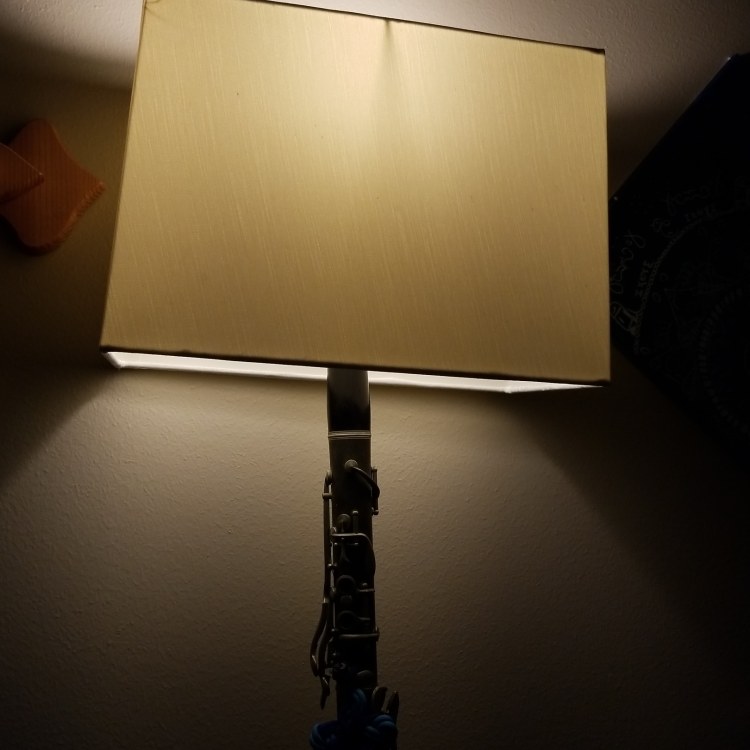
 Again Jesus spoke to them, saying, “I am the light of the world. Whoever follows me will never walk in darkness but will have the light of life.” Then the Pharisees said to him, “You are testifying on your own behalf; your testimony is not valid.” Jesus answered, “Even if I testify on my own behalf, my testimony is valid because I know where I have come from and where I am going, but you do not know where I come from or where I am going. You judge by human standards; I judge no one. Yet even if I do judge, my judgment is valid; for it is not I alone who judge, but I and the Father who sent me. In your law it is written that the testimony of two witnesses is valid. I testify on my own behalf, and the Father who sent me testifies on my behalf.” Then they said to him, “Where is your Father?” Jesus answered, “You know neither me nor my Father. If you knew me, you would know my Father also.” He spoke these words while he was teaching in the treasury of the temple, but no one arrested him, because his hour had not yet come. (John 8:12-20, NRSV)
 Then each of them went home, while Jesus went to the Mount of Olives. Early in the morning he came again to the temple. All the people came to him and he sat down and began to teach them. The scribes and the Pharisees brought a woman who had been caught in adultery; and making her stand before all of them, they said to him, “Teacher, this woman was caught in the very act of committing adultery. Now in the law Moses commanded us to stone such women. Now what do you say?” They said this to test him, so that they might have some charge to bring against him. Jesus bent down and wrote with his finger on the ground. When they kept on questioning him, he straightened up and said to them, “Let anyone among you who is without sin be the first to throw a stone at her.” And once again he bent down and wrote on the ground. When they heard it, they went away, one by one, beginning with the elders; and Jesus was left alone with the woman standing before him. Jesus straightened up and said to her, “Woman, where are they? Has no one condemned you?” She said, “No one, sir.” And Jesus said, “Neither do I condemn you. Go your way, and from now on do not sin again.” (John 7:53-8:11, NRSV)
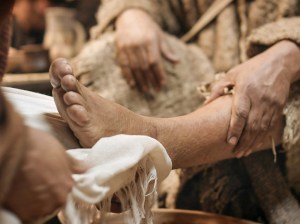 Now before the festival of the Passover, Jesus knew that his hour had come to depart from this world and go to the Father. Having loved his own who were in the world, he loved them to the end. The devil had already put it into the heart of Judas son of Simon Iscariot to betray him. And during supper Jesus, knowing that the Father had given all things into his hands, and that he had come from God and was going to God,got up from the table, took off his outer robe, and tied a towel around himself. Then he poured water into a basin and began to wash the disciples’ feet and to wipe them with the towel that was tied around him.He came to Simon Peter, who said to him, “Lord, are you going to wash my feet?” Jesus answered, “You do not know now what I am doing, but later you will understand.” Peter said to him, “You will never wash my feet.” Jesus answered, “Unless I wash you, you have no share with me.”Simon Peter said to him, “Lord, not my feet only but also my hands and my head!” Jesus said to him, “One who has bathed does not need to wash, except for the feet, but is entirely clean. And you are clean, though not all of you.” For he knew who was to betray him; for this reason he said, “Not all of you are clean.” After he had washed their feet, had put on his robe, and had returned to the table, he said to them, “Do you know what I have done to you? You call me Teacher and Lord—and you are right, for that is what I am. So if I, your Lord and Teacher, have washed your feet, you also ought to wash one another’s feet. For I have set you an example, that you also should do as I have done to you. Very truly, I tell you, servants are not greater than their master, nor are messengers greater than the one who sent them. If you know these things, you are blessed if you do them. (John 13:1-17, NRSV)
 aSacredRebel